

Introduction
A beautiful home is more than just a place to live. It is a personal space where people relax, spend time with family, welcome guests, and enjoy everyday life. The way a home looks and feels can make a big difference to daily comfort. You do not need expensive furniture or a professional interior designer to create an attractive living space. With the right ideas, thoughtful planning, and a little creativity, you can transform almost any room.
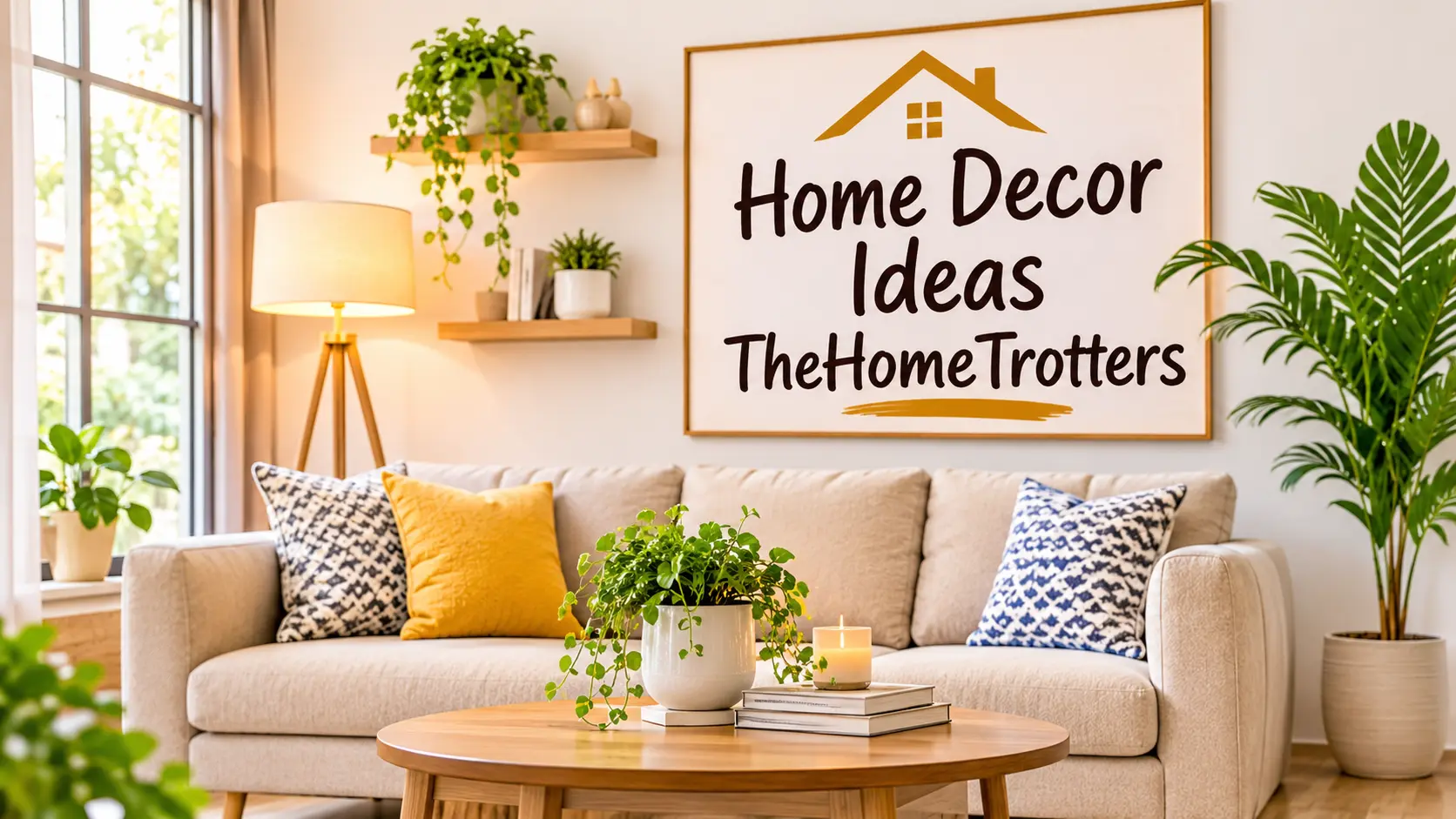
This is where home decor ideas TheHomeTrotters can inspire homeowners who want practical ways to improve their interiors. From modern living room designs to cozy bedrooms, creative kitchen decorations, and affordable DIY projects, there are many ways to make a home more attractive and functional.
Home decoration is not only about choosing beautiful colors or buying stylish furniture. It also involves understanding how you use each room, selecting suitable materials, organizing your belongings, and creating an environment that matches your lifestyle.
For example, a small apartment may need space-saving furniture, while a family home may require comfortable seating, durable materials, and organized storage. A bedroom should feel peaceful, while a kitchen should remain practical and easy to maintain.
The best home decoration ideas combine beauty, comfort, and functionality.
In this guide, we will explore 25 creative home decor ideas, room-by-room decorating tips, affordable improvement methods, and simple projects that you can try at home. Whether you are decorating a new house or refreshing an existing space, these suggestions can help you make better design decisions.
1. Understand Your Personal Home Decor Style
Before purchasing furniture, curtains, rugs, or decorative accessories, take some time to understand your preferred decorating style.
A clear design direction helps you select items that work together. It also reduces unnecessary spending because you have a better idea of what you want.
Here are some popular interior design styles.
Modern Home Decor
Modern home decor focuses on clean lines, practical furniture, simple decorations, and balanced colors.
You can create a modern appearance by using neutral walls, contemporary lighting, simple furniture, and carefully selected accessories.
Popular modern design elements include:
- Neutral color combinations.
- Simple furniture shapes.
- Open spaces.
- Large windows.
- Minimal wall decorations.
- Functional storage.
- Modern lighting fixtures.
Modern interiors are suitable for homeowners who prefer clean and organized spaces.
Minimalist Home Decor
Minimalist decoration follows the principle of keeping things simple.
Instead of filling every corner with furniture and accessories, choose a smaller number of useful and attractive items.
White walls, natural wood, simple furniture, and limited decorative accessories work well with this style.
Minimalist decoration can also be helpful in small homes because it reduces unnecessary visual clutter.
Rustic Home Decor
Rustic home decor uses natural materials, warm colors, and traditional design elements.
Wooden furniture, woven baskets, handmade decorations, natural fabrics, and earthy colors can create a comfortable atmosphere.
You can introduce rustic details without changing the entire interior. A wooden coffee table, natural rug, or handmade wall decoration may be enough.
Bohemian Home Decor
Bohemian decoration offers more freedom with colors, patterns, fabrics, and accessories.
You can combine colorful cushions, indoor plants, woven materials, patterned rugs, and personal artwork.
The goal is to create a relaxed and personal environment rather than follow strict design rules.
2. Choose the Right Color Palette for Your Home
Color plays an important role in interior decoration. The right combination can make a room feel peaceful, bright, warm, or energetic.
Before selecting paint, consider the size of your room, natural lighting, furniture, and personal preferences.
Some popular combinations include:
| Color combination | Suitable space |
|---|---|
| White and beige | Living room |
| Cream and brown | Bedroom |
| Sage green and white | Living room or bedroom |
| Navy blue and white | Study room |
| Gray and natural wood | Modern interiors |
| Terracotta and beige | Rustic interiors |
| Soft pink and cream | Bedroom |
Use Neutral Colors
Neutral colors such as white, beige, cream, and light gray provide a flexible foundation.
They work with many furniture styles and allow you to introduce stronger colors through accessories.
Introduce Accent Colors
Accent colors add personality to a room.
For example, a neutral living room can become more interesting with green cushions, a blue armchair, or colorful artwork.
You do not need to use bright colors everywhere. A few carefully selected accents can create enough visual interest.
Consider Natural Light
Paint colors may look different under sunlight and artificial lighting.
Before painting an entire room, test a small area and observe how the color looks at different times of the day.
3. Create a Comfortable and Stylish Living Room
The living room is one of the most important areas of a home. It is often used for relaxing, entertaining guests, watching television, and spending time with family.
A good living room should look attractive while providing enough space for everyday activities.
Here are some practical decorating ideas.
Select Comfortable Furniture
Choose a sofa that matches the size of your living room.
A large sofa may look impressive in a furniture showroom, but it can make a small room feel crowded.
Measure your available space before buying furniture. Also consider how many people regularly use the seating area.
Add an Attractive Coffee Table
A coffee table can become the center of your living room.
Wooden coffee tables create warmth, while glass designs can help maintain an open appearance.
You can decorate the table with a small vase, books, or a simple decorative tray.
Avoid adding too many objects because the table should remain useful.
Decorate the Main Wall
An empty wall behind the sofa can become an attractive focal point.
Consider using:
- Framed photographs.
- Decorative artwork.
- Wooden wall panels.
- A simple accent color.
- A carefully arranged gallery wall.
Choose decorations that match the room’s color scheme.
Add a Comfortable Rug
A rug can visually connect the sofa, chairs, and coffee table.
Select a size that works with your seating arrangement. A rug that is too small may make the furniture appear disconnected.
Also consider cleaning requirements, material, and the amount of foot traffic.
Include Indoor Plants
Indoor plants add natural color and texture.
Place them near suitable windows, in empty corners, or on shelves.
Choose plants according to available light and maintenance requirements. If you have pets or children, check plant safety before bringing them home.
4. Design a Peaceful and Beautiful Bedroom
A bedroom should provide a comfortable environment for rest.
Its decoration should focus on peaceful colors, suitable furniture, organized storage, and comfortable bedding.
Choose Comfortable Bedding
Bedding has a major influence on the appearance of a bedroom.
Choose sheets, pillows, blankets, and covers that feel comfortable and match your decorating style.
Neutral bedding creates a calm appearance, while colorful cushions can add personality.
Use Soft Lighting
Bright overhead lighting is useful for some activities, but softer lighting can create a more relaxing atmosphere.
Consider bedside lamps, wall-mounted lights, or suitable dimmable fixtures.
Create an Attractive Headboard Wall
The wall behind the bed can become the main decorative feature of the bedroom.
You can use:
- Wooden panels.
- Simple wallpaper.
- Framed artwork.
- Decorative wall molding.
- A contrasting paint color.
Make sure the design works with your furniture and bedding.
Keep Bedroom Storage Organized
A cluttered bedroom can make relaxation difficult.
Use suitable wardrobes, bedside drawers, under-bed storage, and organizers to keep belongings in their proper places.
Do not purchase additional furniture unless you actually need it.
5. Improve Your Kitchen With Practical Decoration Ideas
A kitchen should be attractive, but functionality must remain the priority.
Good kitchen decoration makes cooking, cleaning, and organizing easier.
Here are some useful improvements.
Organize Kitchen Cabinets
Arrange kitchen items according to how frequently you use them.
Keep everyday cooking utensils and ingredients within easy reach.
Use suitable containers for dry food storage and label them when helpful.
Refresh Cabinet Handles
Replacing old cabinet handles can give kitchen furniture a fresh appearance.
Choose handles that match the cabinet material and overall design.
Improve Kitchen Lighting
A kitchen needs enough light for cooking and cleaning.
Consider suitable ceiling lighting and task lighting above work surfaces.
Decorate With a Small Herb Garden
If your kitchen receives suitable natural light, consider growing herbs in small containers.
This can introduce greenery while keeping selected herbs accessible.
Keep Countertops Clear
Avoid covering every countertop with decorative objects.
Keep frequently used appliances accessible and store other items in suitable cabinets.
A clean countertop makes the kitchen look more organized.
6. Make Small Homes Look Spacious
Small homes can be comfortable and attractive when the available space is used carefully.
The goal is not simply to make a room look larger. It is to make every area more useful.
Choose Multifunctional Furniture
Multifunctional furniture can provide more than one benefit.
Examples include:
- Beds with storage drawers.
- Foldable dining tables.
- Sofa beds.
- Storage ottomans.
- Desks with built-in shelves.
- Extendable dining tables.
These pieces can reduce the need for additional furniture.
Use Vertical Storage
Walls provide useful storage opportunities.
Install suitable shelves, wall-mounted organizers, or tall cabinets to use vertical space.
Make sure shelves are securely fixed and suitable for the expected weight.
Use Mirrors Carefully
Mirrors can reflect natural light and create an impression of greater depth.
A large mirror placed opposite a window may help brighten a room.
Choose a design that complements the furniture and other decorations.
Avoid Oversized Furniture
Before buying a sofa, bed, dining table, or cabinet, measure the available area.
Check that doors can open, drawers can move, and walking paths remain clear.
Keep the Floor Uncluttered
Furniture with raised legs can help create a more open appearance.
Avoid filling every available corner with decorative accessories.
7. Try Affordable Home Decor Ideas
You do not need a large budget to improve your home.
Many attractive changes involve creativity, organization, and making better use of existing furniture.
Here are some budget-friendly ideas.
Rearrange existing furniture: A new furniture arrangement can change the appearance of a room without requiring new purchases.
Change cushion covers: New covers can introduce fresh colors and textures.
Refresh old furniture: Cleaning, repainting, or replacing handles can improve suitable furniture.
Create handmade wall art: Use simple materials to create decorations that match your interior.
Add affordable plants: Select plants that suit your room and maintenance routine.
Update curtains: Suitable curtains can improve privacy and give windows a more finished appearance.
Use decorative baskets: Baskets can provide storage while adding natural texture.
Shop second-hand: Carefully inspected second-hand furniture can be an affordable option.
Set a spending limit before beginning any decorating project. This will help you focus on improvements that provide real value.
8. Explore Creative DIY Home Decoration Projects
DIY home decoration is a practical way to personalize your living space.
It allows you to create items that match your preferences while reusing suitable materials.
Create Handmade Wall Art
You can create simple artwork using canvas, paint, paper, or textured materials.
Select colors that complement your room.
Frame the finished work if necessary and position it where it can be appreciated without making the wall look crowded.
Decorate Old Flower Pots
Old plant pots can receive a fresh appearance with suitable paint.
Choose colors that match your home and use coatings designed for the pot material.
Make a Photo Gallery
Collect family photographs, travel pictures, or meaningful memories.
Arrange them in coordinated frames to create a personal gallery wall.
Reuse Glass Jars
Clean glass jars can be used as decorative containers or organizers.
They can hold small household items or suitable decorative materials.
Create Decorative Shelves
Suitable reclaimed wood can be turned into simple shelves.
Check the material for damage and use appropriate wall fixings.
Always follow safety instructions when using power tools, paints, and other DIY materials.
9. Bring Nature Into Your Home
Nature-inspired decoration can make an interior feel warm and welcoming.
Natural materials introduce texture, while plants add greenery and visual interest.
Consider using:
- Wooden furniture.
- Bamboo accessories.
- Rattan baskets.
- Cotton fabrics.
- Linen curtains.
- Natural stone decorations.
- Indoor plants.
You do not need to fill every room with plants.
A few suitable plants, combined with natural textures and colors, can create a balanced design.
Select plants according to their light and watering needs. Check their safety if children or pets live in your home.
10. Improve Your Home With Better Lighting
Lighting can change the appearance and usefulness of a room.
A well-planned lighting arrangement should support the activities that take place in each area.
Three useful lighting categories are:
Ambient lighting: Provides general illumination through ceiling fixtures or other room-wide lighting.
Task lighting: Provides focused light for activities such as reading, cooking, studying, and working.
Accent lighting: Highlights artwork, shelves, decorative objects, or architectural details.
Living Room Lighting
Use a combination of suitable ceiling lights, floor lamps, and table lamps.
This provides flexibility for different activities.
Bedroom Lighting
Choose comfortable bedside lighting for reading and relaxing.
Kitchen Lighting
Provide adequate light over cooking and preparation areas.
Study Room Lighting
Use suitable task lighting to make reading and working more comfortable.
Also make use of natural daylight where possible. Effective home lighting should support comfort, visibility, and energy efficiency.
11. Create Beautiful Wall Decorations
Walls are an important part of interior design.
A carefully decorated wall can improve the appearance of an entire room.
Some popular options include:
Gallery walls: Arrange photographs and artwork in attractive frames.
Accent walls: Use a different color, texture, or material on one wall.
Floating shelves: Display selected books, plants, and decorative objects.
Wall mirrors: Introduce depth and reflect light.
Decorative panels: Use suitable materials to create texture and visual interest.
Avoid using too many decorative items in one area. Leave enough empty space to maintain balance.
12. Organize Your Home With Stylish Storage
Good storage makes a home easier to maintain.
It also helps prevent clutter from affecting the appearance of your rooms.
Here are some useful storage solutions:
- Storage baskets for blankets and household accessories.
- Under-bed containers for seasonal clothing.
- Built-in cabinets for larger storage needs.
- Drawer organizers for small items.
- Wall-mounted organizers for everyday belongings.
- Entryway cabinets for shoes and accessories.
- Storage benches for additional seating and organization.
The most important thing is to give frequently used items an accessible place.
Storage should make everyday routines easier, not more complicated.
13. Decorate Your Bathroom With Simple Ideas
Bathrooms are often smaller than other rooms, but they still deserve attention.
A clean and organized bathroom can look attractive without requiring a complete renovation.
Consider these improvements:
- Use coordinated towels.
- Install suitable storage shelves.
- Choose attractive but moisture-resistant accessories.
- Improve mirror lighting.
- Keep countertops organized.
- Use suitable floor mats.
- Select easy-to-clean materials.
Small decorative plants may work in bathrooms with suitable light and ventilation.
Always choose materials designed for moisture-prone environments.
14. Create a Beautiful Dining Area
The dining area should feel comfortable and welcoming.
Start with a dining table that suits the available space and the number of people who regularly use it.
Choose comfortable chairs and provide enough room for people to move around.
A simple centerpiece can improve the appearance of the table.
You can use:
- A decorative vase.
- Fresh flowers.
- A suitable fruit bowl.
- A simple table runner.
- Coordinated placemats.
Pendant lighting can also create an attractive focal point above the dining table.
15. Make Your Home Office More Functional
More people now use a dedicated area at home for work, study, and personal projects.
A home office should support concentration and organization.
Choose a suitable desk and comfortable chair. Position the desk where you can work without unnecessary distractions.
Add practical storage for books, documents, and accessories.
Use task lighting and organize electrical cables carefully.
A few plants or personal decorations can make the workspace more inviting, but avoid excessive accessories that take up valuable desk space.
16. Use Seasonal Home Decoration Ideas
Changing small decorative details according to the season can make your home feel fresh.
You do not need to replace your furniture every few months.
Spring
Use fresh flowers, pastel colors, and lighter fabrics.
Summer
Choose breathable fabrics, lighter curtains, and natural decorations.
Autumn
Introduce warm colors, textured cushions, and comfortable blankets.
Winter
Use soft rugs, cozy throws, and suitable warm lighting.
Store seasonal decorations properly so they can be reused.
17. Make Your Home More Sustainable
Sustainable decoration involves making thoughtful choices about furniture, materials, and household products.
You can improve your home while reducing unnecessary waste.
Reuse Existing Furniture
Before replacing old furniture, consider whether it can be repaired or refreshed.
A suitable new finish or replacement handle may extend its useful life.
Choose Durable Products
Compare materials, construction quality, and maintenance requirements before purchasing furniture.
A durable product may provide better long-term value than a cheaper item that needs frequent replacement.
Explore Second-Hand Furniture
Second-hand furniture can offer unique designs and affordable prices.
Inspect items carefully for structural problems, pests, and other damage.
Reduce Disposable Decorations
Choose accessories that can be used in different rooms or across different seasons.
Use Energy-Efficient Lighting
Suitable LED lighting can reduce electricity consumption compared with many traditional lighting options.
Sustainable home decoration is not about changing everything at once. It is about making better choices over time.
18. Select Furniture That Matches Your Lifestyle
Furniture should support your everyday activities.
A large dining table may be useful for a family, while a compact table may be better for a small apartment.
Before purchasing furniture, consider:
- Available floor space.
- Number of people using the furniture.
- Comfort requirements.
- Material durability.
- Cleaning and maintenance.
- Storage needs.
- Your available budget.
Avoid purchasing furniture only because it looks attractive in a photograph.
A good furniture choice should work in your actual home.
19. Improve Your Home Entrance
The entrance creates the first impression of your home.
A clean and organized entryway can make the entire property feel more welcoming.
You can improve this area with a small console table, suitable mirror, shoe storage, and a simple decorative item.
If space is limited, use wall-mounted hooks and compact organizers.
Keep the entrance clear so people can enter and leave comfortably.
20. Add Smart Home Features
Modern technology can make everyday household activities more convenient.
Smart lighting, compatible plugs, automated curtains, and suitable temperature controls are examples of technology that can support modern living.
However, choose devices according to your actual needs.
Before purchasing smart products, check compatibility, installation requirements, electrical safety, privacy settings, and ongoing costs.
Technology should improve your home rather than create unnecessary complexity.
21. Make Your Home Look Elegant on a Budget
An elegant interior does not always require expensive decorations.
A coordinated design, organized furniture, suitable lighting, and good maintenance can create a polished appearance.
Try these suggestions:
- Use a consistent color palette.
- Select curtains that fit your windows.
- Choose rugs that suit the furniture arrangement.
- Keep decorative accessories coordinated.
- Maintain clean walls and furniture.
- Add one or two statement decorations.
- Use layered lighting.
- Display selected artwork.
- Avoid unnecessary clutter.
Pay attention to small details. Clean surfaces, suitable furniture proportions, and well-maintained decorations can make a significant difference.
22. Decorate Your Home According to Your Family’s Needs
Every family has different requirements.
A home with young children may need durable furniture, easy-to-clean materials, and organized toy storage.
A home with older family members may benefit from clear walking paths, suitable lighting, and accessible storage.
People who work from home may need a dedicated workspace.
Pet owners may prefer fabrics that are easier to clean and furniture materials that can handle everyday use.
Think about your household before making design decisions.
The most attractive decoration is not always the most practical option. Choose solutions that work for the people who use the space every day.
23. Common Home Decoration Mistakes to Avoid
Even a carefully planned interior can lose its appeal when important details are overlooked.
Here are some common mistakes.
Buying furniture without measuring: Always measure rooms and doorways before purchasing large furniture.
Using too many colors: Too many competing colors can make an interior look unbalanced.
Ignoring lighting: One ceiling light may not provide suitable illumination for every activity.
Overdecorating walls: Too many frames and accessories can make a room feel crowded.
Following every trend: Choose designs that suit your lifestyle rather than copying every popular style.
Ignoring storage: Without practical storage, clutter can quickly return.
Choosing unsuitable materials: Consider moisture, heat, cleaning, and everyday wear before making a selection.
Spending too much too quickly: Decorating gradually gives you more time to evaluate your decisions.
Avoiding these mistakes can help you create an interior that remains comfortable and attractive over time.
24. How to Plan a Home Decoration Project
A good decorating project starts with a clear plan.
You do not need to change your entire home at once. Begin with one room and identify the improvements that matter most.
Step 1: Identify the Problem
Look at the room carefully.
Does it need more lighting? Is the furniture arrangement uncomfortable? Is storage insufficient?
Write down the main problems.
Step 2: Set a Budget
Decide how much you can comfortably spend.
Separate necessary improvements from optional decorative purchases.
Step 3: Select a Design Style
Choose a style and color palette that work with your existing furniture.
Collect inspiration photographs and create a simple mood board.
Step 4: Measure the Space
Record the dimensions of the room and large furniture pieces.
Check doorways, windows, electrical outlets, and walking paths.
Step 5: Complete Essential Improvements
Address practical problems before buying decorations.
Repair damaged items, improve lighting, and organize storage.
Step 6: Add Decorative Accessories
Once the main arrangement is ready, introduce rugs, cushions, artwork, plants, and curtains.
Step 7: Review the Final Result
Use the room for a few days and check whether the changes improve comfort and functionality.
Make adjustments where necessary.
This process helps prevent unnecessary spending and keeps your decorating project manageable.
25. Why Practical Home Decor Ideas Matter
Home decoration should make everyday living better.
A beautiful interior is useful only when it supports the needs of the people who live there.
TheHomeTrotters home decor ideas can be explored as inspiration for practical room styling, organization, furniture selection, and creative improvements.
For example, a small apartment owner may need multifunctional furniture more than expensive wall decorations. A family may need durable materials and better storage. Someone who works from home may benefit from a comfortable desk and proper lighting.
These examples show why decorating should always begin with real household needs.
Before making a change, ask yourself three questions:
- Will this improvement make the room more comfortable?
- Will it make everyday activities easier?
- Is it suitable for my available space and budget?
If the answer is yes, the improvement may be worth considering.
The best home decor ideas are not always the most expensive or complicated. Sometimes, a simple furniture rearrangement or a better lighting arrangement can make a noticeable difference.
Frequently Asked Questions
1. What are home decor ideas TheHomeTrotters?
Home decor ideas TheHomeTrotters is a search phrase associated with home decoration inspiration and practical interior styling. It relates to ideas for living rooms, bedrooms, kitchens, furniture arrangements, colors, lighting, storage, and affordable home improvements.
2. How can I decorate my home on a low budget?
Start by rearranging existing furniture, changing cushion covers, adding suitable plants, refreshing old furniture, and creating simple DIY decorations. You can also explore carefully inspected second-hand furniture.
3. What are the best colors for modern home decor?
White, beige, cream, gray, sage green, and soft blue are popular choices. You can combine neutral colors with a few accent shades to create a balanced appearance.
4. How can I make a small room look bigger?
Use light colors, suitable mirrors, multifunctional furniture, vertical storage, and appropriate lighting. Avoid oversized furniture and unnecessary accessories.
5. Which home decor style is most popular?
Modern, minimalist, rustic, Scandinavian, and bohemian styles are popular choices. The best style depends on your personal preferences, available space, and lifestyle.
6. How can I make my living room more attractive?
Start with comfortable seating, a suitable coffee table, coordinated cushions, attractive lighting, and a properly sized rug. Add artwork or indoor plants to complete the design.
7. Are indoor plants suitable for home decoration?
Yes. Indoor plants can introduce natural colors and textures. Choose plants according to light conditions and maintenance requirements, and check their safety around pets and children.
8. What is the easiest DIY home decoration project?
Handmade wall art, painted flower pots, customized photo frames, and decorative glass jars are simple projects for beginners.
9. How can I make my bedroom more comfortable?
Choose comfortable bedding, calming colors, suitable bedside lighting, practical furniture, and organized storage. Avoid filling the room with unnecessary decorations.
10. How often should I update my home decor?
There is no fixed schedule. You can refresh your interior whenever necessary by changing small accessories, rearranging furniture, or updating curtains and cushions.
11. How can I decorate a rental home?
Use portable furniture, removable decorations where permitted, rugs, table lamps, freestanding shelves, and indoor plants. Check your rental agreement before making permanent changes.
12. What should I consider before buying home decor products?
Consider the room size, product dimensions, material quality, maintenance, durability, style, and available budget. Make sure the product serves a useful purpose in your home.
Conclusion
Creating a beautiful home does not require a large investment or professional interior design experience. With careful planning, creativity, and practical decisions, you can transform ordinary rooms into comfortable and attractive spaces.
These home decor ideas TheHomeTrotters highlight the importance of combining style with functionality. From modern living room designs and peaceful bedrooms to organized kitchens, affordable DIY projects, and sustainable decorations, there are many ways to improve your home.
Start with the areas that need the most attention. Set a realistic budget, choose a suitable decorating style, and make improvements gradually.
Remember that your home should reflect your personality and support your everyday lifestyle. You do not need to follow every trend or purchase expensive accessories to create an attractive interior.
A well-decorated home is one that looks welcoming, feels comfortable, and works for the people who live there.
