

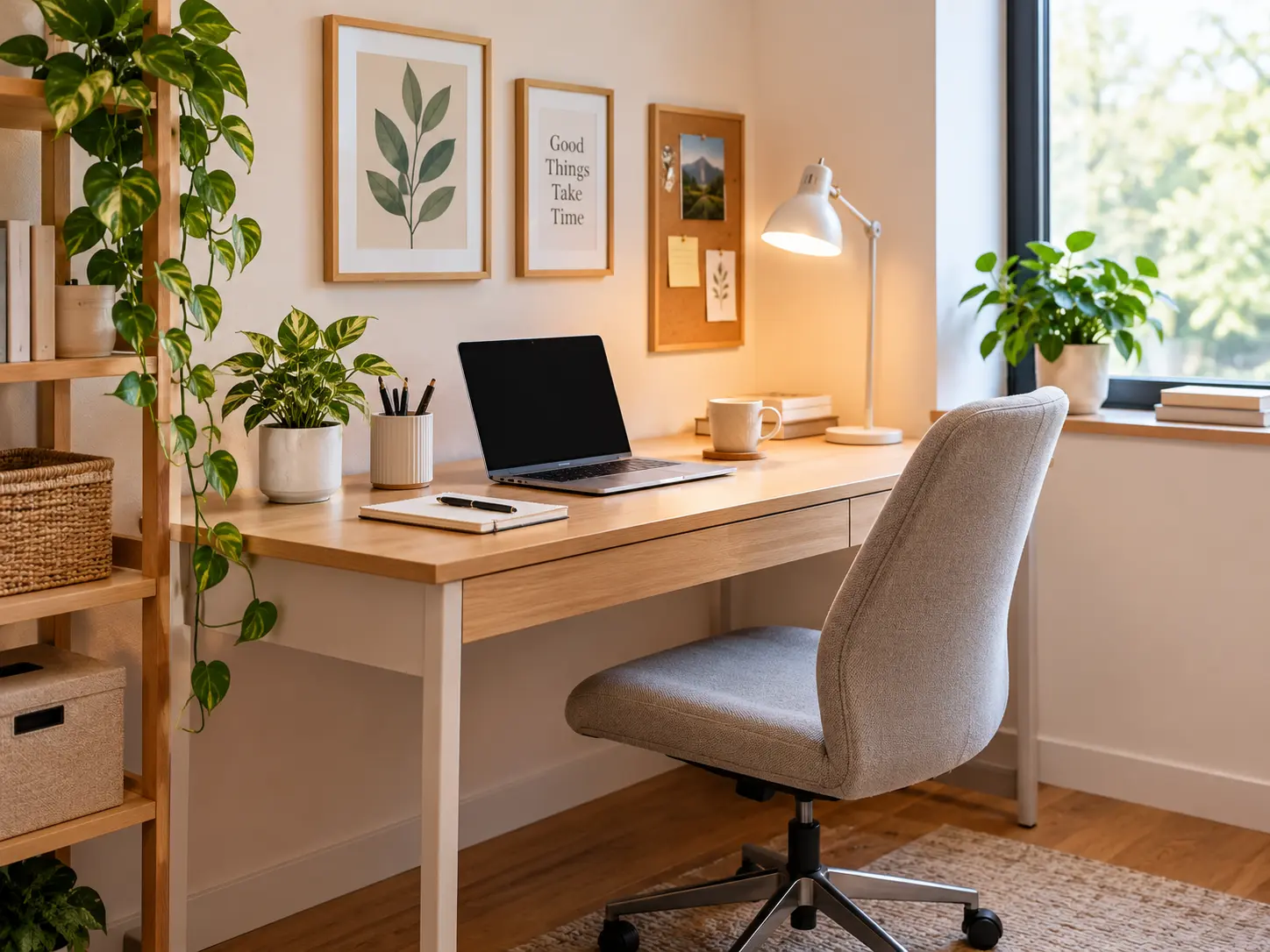
Working from home gives you the freedom to create a workspace that suits your needs, personality and daily routine. However, a desk placed in a corner does not always feel like a comfortable office. The right home office decor can make even a small area feel organized, attractive and ready for work.
Whether you have a separate office, a spare bedroom, a small apartment or just one corner of your living room, you can create a workspace that looks good and functions well. You do not need expensive furniture or a complete room renovation. Simple changes to lighting, colors, storage, furniture placement and accessories can make a noticeable difference.
In this guide, you will discover practical home office decor ideas for small spaces, modern interiors, minimalist rooms and budget-friendly setups. You will also learn how to choose a desk, arrange wall decor, improve lighting, manage cables and combine comfort with personal style.
Why Does Home Office Decor Matter?
A home office should support your daily activities while fitting naturally into your home. Its appearance matters, but its layout and comfort are equally important.
A well-planned workspace can make it easier to find supplies, manage paperwork and keep distractions under control. A comfortable chair, suitable desk height and useful lighting can also make long working sessions more manageable.
Decor can help establish a clear boundary between work and personal life. For example, a desk with a lamp, a small plant and organized stationery can create a dedicated work zone even when the desk sits in a bedroom.
The goal is not to make your office look like an expensive showroom. Instead, create a space that meets your needs, reflects your taste and makes everyday work easier.
1. Choose a Home Office Style Before Decorating
Before purchasing furniture or accessories, decide what you want your workspace to look like. A consistent style helps you choose colors, materials and decorative items that work together.
Modern home office decor
Modern home office decor often combines clean lines, simple furniture, neutral colors and a few carefully chosen accessories. A wooden desk with black metal legs, a comfortable chair and a streamlined desk lamp can create this look.
Keep the desktop relatively clear and choose storage that matches the furniture. You can add visual interest through artwork, textured fabrics or a distinctive chair without making the room feel crowded.
Minimalist home office ideas
A minimalist workspace focuses on useful items and a limited color palette. Start with a desk, a comfortable chair, task lighting and essential equipment.
Store paperwork in drawers or boxes instead of leaving it across the desk. Choose a few meaningful accessories rather than decorating every available surface.
Minimalism does not mean that your office must look empty or cold. Natural wood, warm lighting and a soft rug can make a simple room feel inviting.
Cozy home office ideas
If you prefer a warm and relaxed environment, introduce soft textures and natural materials. A fabric chair, a small rug, curtains, warm-toned lighting and a few framed prints can make the workspace feel more comfortable.
Choose accessories that are easy to clean and do not interfere with your work. If you use the desk for video meetings, keep the background coordinated without adding too many distracting objects.
Traditional and classic office decor
Traditional office decor works well with wooden furniture, framed artwork, bookcases and classic desk lamps. You can use darker wood tones with cream, beige or muted green walls.
To avoid making a small room feel heavy, balance darker furniture with lighter curtains, bright task lighting and open space around the desk.
2. Try Small Home Office Decor Ideas
Small spaces require careful planning because every piece of furniture occupies valuable room. The best small home office decor ideas focus on functionality, visual openness and efficient storage.
Use a compact desk
Choose a desk that fits your actual work requirements. Measure the available width and depth before buying one.
A narrow writing desk may work for a laptop and notebook, while a deeper desk may be necessary for a monitor, keyboard and other equipment. Avoid choosing a desk simply because it looks attractive online.
Make use of vertical space
Wall shelves can hold books, small storage boxes and decorative accessories without taking up additional floor space. A pegboard can organize headphones, cables, stationery and other lightweight items.
Secure shelves and wall-mounted equipment according to the manufacturer’s instructions. Check the wall type and use suitable fixings before installation.
Choose furniture with storage
A desk with drawers, a compact filing cabinet or a storage bench can help keep supplies out of sight. Furniture with more than one function is especially useful in small apartments.
Keep frequently used items within easy reach and move rarely used supplies into less accessible storage.
Use mirrors carefully
A mirror can reflect light and create a sense of openness. Consider placing one where it reflects a window or a well-lit area.
Avoid positioning it where it creates glare on your monitor or distracts you during video calls.
Keep the floor clear
Large cabinets and unnecessary decorative furniture can make a small office feel crowded. Use wall shelves, under-desk storage and compact furniture where practical.
A clear floor also makes cleaning easier and reduces the chance of tripping over objects or cables.
3. Select the Right Desk and Chair
Furniture is the foundation of a successful home office. Decorative accessories cannot compensate for a desk that is too small or a chair that does not provide adequate support.
Choose a desk for your work
Think about your equipment and work habits before selecting a desk.
- Laptop work: A compact desk may provide enough space for a laptop, notebook and lamp.
- Desktop computer: Allow room for the monitor, keyboard, mouse and cables.
- Creative work: Consider extra surface space for drawing, writing or other materials.
- Paperwork: Look for drawers or a nearby filing solution.
- Shared workspaces: Consider a desk that can accommodate both users’ equipment without becoming cluttered.
Measure your available space and leave enough room to pull out the chair comfortably.
Select a supportive chair
Look for a chair with appropriate seat height, back support and enough room for comfortable movement. Adjustable features can help you adapt the chair to your desk.
Your feet should be supported, and your shoulders should remain relaxed while you work. If your feet do not reach the floor comfortably, a suitable footrest may help.
Consider a standing desk
A sit-stand desk can make it easier to change working positions during the day. If you choose one, check its height range, stability, available surface area and compatibility with your equipment.
You do not need a standing desk to create a stylish office. Choose furniture based on your comfort, space and budget.
4. Refresh Your Walls With Home Office Wall Decor
Walls offer an opportunity to add personality without using much floor space. The right home office wall decor can make a plain room feel more complete.
Hang framed artwork
Choose artwork that complements the room’s colors and your personal interests. Abstract prints, landscapes, illustrations and simple typography can all work well.
For a coordinated appearance, use frames with similar finishes or select prints that share a few colors. You can also mix different frame styles if you prefer a more collected look.
Create a gallery wall
A gallery wall can bring character to the space behind your desk or along a nearby wall.
Before hanging anything, arrange the frames on the floor to test the layout. Keep enough space between pieces and make sure the overall arrangement fits the wall.
Avoid placing heavy frames directly above your head without secure mounting.
Install a pegboard
A pegboard combines storage and decoration. Use it for lightweight office supplies, headphones, small containers and accessories.
Arrange items in groups so that the board remains useful rather than becoming another cluttered surface.
Add a pinboard or whiteboard
A pinboard can display reminders, calendars, reference images and important notes. A whiteboard is useful for planning tasks and tracking projects.
If your office has limited wall space, select one board that serves your main purpose instead of installing several competing features.
Try removable wallpaper
Removable wallpaper can introduce a pattern or accent color without requiring a permanent renovation. It may be useful for renters, although compatibility with the wall surface should be checked first.
Use a subtle design if the office is small or already contains colorful furniture.
5. Choose a Home Office Color Scheme
Color influences the visual character of a room. Your preferred palette should complement the furniture, available natural light and overall style of your home.
Neutral colors for a calm appearance
White, cream, beige and soft gray create a flexible background for furniture and accessories. They can work particularly well in small offices where you want the room to feel visually simple.
Add warmth with wood, woven baskets, fabric accessories or plants.
Green for a natural look
Muted sage, olive and other soft green tones can complement wood furniture and natural textures. Use green on a feature wall, in artwork or through accessories if you do not want to repaint the entire room.
Blue for a cool, coordinated space
Soft blue, navy and blue-gray can create different effects depending on the amount of color and the lighting. Lighter shades may feel airy, while darker shades provide a stronger visual statement.
Balance deep colors with suitable lighting and lighter furnishings.
Warm beige and brown
Beige, tan and brown create a warm palette that works well with oak desks, leather-look accessories and woven materials.
Use different textures to keep a neutral scheme from looking flat.
How to combine colors
A simple starting point is to choose one main color, one supporting color and one accent color. Repeat those colors across the desk accessories, artwork, rug and storage items.
Test paint samples on the wall before committing. Colors can look different under daylight and artificial lighting.
6. Improve Lighting With a Practical Plan
Lighting is an important part of home office design. A beautiful room can still be uncomfortable if the desk is too dark or the monitor reflects bright light.
Make use of natural light
If possible, position the desk near a window. Natural light can make the room feel more inviting during the day.
For computer work, try positioning the screen perpendicular to the window rather than directly in front of or behind it. Adjust the arrangement if you notice reflections or glare.
Add a task lamp
A desk lamp provides focused light for reading, writing and other close-up tasks. Choose a model that allows you to direct the light where it is needed.
Make sure the lamp does not occupy too much desk space or shine directly into your eyes.
Layer different light sources
A useful lighting plan may include general room lighting, a desk lamp and softer accent lighting. Each serves a different purpose.
Avoid relying entirely on a decorative lamp if it does not provide sufficient light for your work.
Hide lighting cables safely
Use suitable cable clips or organizers to keep lamp wires tidy. Keep cables away from walkways, moving chair wheels and areas where they could become damaged.
Do not overload outlets or use damaged electrical equipment.
7. Add Plants to Your Home Office
Plants can introduce natural color and texture into a workspace. They are a simple way to soften the appearance of desks, shelves and plain walls.
Choose plants for the available light
Before selecting a plant, consider how much daylight reaches your office. Some varieties tolerate lower light, while others need bright indirect light.
Check the plant’s watering and care requirements rather than assuming every indoor plant needs the same treatment.
Place plants where they will not interfere with work
A small plant may fit on a desk corner, while a larger plant can stand beside a cabinet or near a window.
Avoid blocking your monitor, covering important documents or placing heavy pots where they could fall.
Use planters that match your decor
Ceramic, terracotta, metal and woven-style planters can complement different design styles. Repeating one or two planter finishes creates a more coordinated look.
If you have pets, check whether a plant is safe for them before bringing it home.
Try artificial greenery
If your office has very little natural light or you cannot maintain live plants, realistic artificial greenery can still add color.
Choose good-quality pieces and clean them regularly to prevent dust from building up.
8. Organize Your Office Without Sacrificing Style
Good organization is one of the most useful home office organization ideas because it makes daily tasks easier and keeps decorative features visible.
Use desk organizers
Trays, pen holders and small containers keep frequently used supplies together. Choose sizes that suit the items you actually use.
Avoid filling the desktop with organizers that hold unnecessary objects.
Sort paperwork
Create a simple system for documents that need action, documents to keep and papers that can be recycled or securely discarded.
Use labeled folders or drawers so you can find important information quickly. Store confidential documents appropriately.
Add matching storage boxes
Storage boxes can hold cables, notebooks, stationery and other supplies. Matching boxes create a consistent look on open shelves.
Labels make it easier to identify contents without opening every container.
Manage computer cables
Cable clips, sleeves and under-desk trays can reduce visible wire clutter. Leave enough slack for equipment to move safely and avoid sharply bending cables.
Keep ventilation openings clear and follow the instructions for your electronic devices.
Make a daily reset routine
Spend a few minutes at the end of the workday returning supplies to their proper places, removing empty cups and preparing the desk for the next day.
A short routine is easier to maintain than an occasional major cleanup.
9. Decorate Your Desk With Useful Accessories
Desk accessories should support your routine while adding personality. Choose a small number of items that are useful or meaningful.
Use a desk mat
A desk mat can define your working area, protect the surface and introduce color or texture. Check that it works with your mouse and keyboard.
Display a small clock
A desk clock can provide a quick time reference and serve as a decorative feature. Choose a size that does not take away valuable working space.
Add a personal photograph
A framed photograph, postcard or small piece of meaningful artwork can make your workspace feel more personal.
Keep the number of personal items manageable if you need space for paperwork or equipment.
Keep stationery coordinated
Matching pens, notebooks and organizers can create a tidy appearance. You do not need to replace everything at once; start with items that remain visible throughout the day.
Choose a useful monitor stand
A suitable monitor stand can raise the screen to a more comfortable viewing position and provide extra space underneath.
Check the stand’s weight limit, stability and compatibility with your monitor before purchasing it.
10. Create a Cozy Home Office on a Budget
You can refresh your office without buying an entirely new set of furniture. Focus on the changes that make the biggest practical difference.
Rearrange existing furniture
Try moving your desk closer to a window or repositioning it to create a clearer walkway. Test different layouts before buying additional items.
Refresh old furniture
If your desk is structurally sound, cleaning it, refinishing it or changing suitable hardware may improve its appearance.
Follow product instructions and use appropriate ventilation and protective equipment when working with paints or finishes.
Print affordable artwork
Personal photographs, original illustrations and properly licensed prints can decorate a wall without a large expense.
Choose images that fit your room and print size. Avoid using copyrighted artwork commercially without permission.
Shop secondhand
Used desks, shelves, lamps and storage cabinets can offer good value. Inspect them for stability, damage, missing parts and signs of pests before bringing them home.
Check electrical items carefully and avoid equipment with damaged wiring.
Repurpose household items
A sturdy tray can organize stationery, and an existing bookshelf can store reference materials. Reuse suitable containers before buying new ones.
Make sure anything repurposed is stable, clean and appropriate for its intended use.
Spend on comfort first
If your chair causes discomfort or your lighting is inadequate, prioritize those needs over decorative accessories.
A practical order is to address the desk and chair, lighting, storage and cable management before purchasing optional artwork or ornaments.
11. Home Office Decor Ideas for Women
Home office decor for women does not need to follow a particular color or design rule. The best style depends on individual preferences, available space and work requirements.
Soft and elegant styling
Cream, blush, muted green and warm beige can create a soft palette. Combine these colors with simple artwork, a wooden desk and a comfortable chair.
Use one or two accent colors rather than introducing many unrelated shades.
Modern and professional styling
A neutral desk, organized shelving, a quality lamp and a few carefully chosen accessories can create a polished workspace.
If you regularly attend video meetings, arrange the background so it looks tidy without becoming distracting.
Creative and colorful styling
If you enjoy color, consider a bright desk accessory, patterned rug, colorful artwork or an accent wall.
Keep important work surfaces clear and choose a color combination that feels comfortable to spend time around.
Small-space styling
For a compact room, choose furniture with a narrow profile, use wall storage and avoid oversized accessories.
A folding desk may work in a shared room, provided it is stable and offers enough space for your work.
12. Set Up a Home Office in a Bedroom
A bedroom office must serve two different purposes: work and rest. A thoughtful layout can help separate these activities.
Define a dedicated work zone
Place the desk against a suitable wall or near a window, depending on lighting and space. A small rug, lamp or coordinated wall arrangement can visually define the work area.
Keep a clear path around the bed and avoid blocking wardrobes or doors.
Match the existing bedroom style
Use colors and materials that complement the bedroom rather than introducing an unrelated design scheme.
For example, a light wood desk may fit a neutral bedroom, while a black desk may work well with modern furniture and dark accents.
Hide work equipment after hours
Use drawers, baskets or a cabinet to store paperwork and accessories when the workday ends.
If the desk is visible from the bed, keeping the surface tidy may make the room feel less like an office when you are resting.
Manage noise and lighting
Choose a suitable lamp for evening work and consider curtains or other practical ways to manage daylight. If noise is a problem, a headset or a quieter location may be more effective than decorative changes.
13. Decorate a Home Office in a Living Room
If you do not have a spare room, a living room can accommodate a compact work zone.
Choose a visually suitable desk
Select a desk that complements your living room furniture. A simple wooden desk or compact console-style workspace may blend into the room more naturally than bulky office furniture.
Make sure it still supports your actual work needs.
Use shelves to separate functions
A bookcase or open shelving unit can help distinguish the office area from the seating area. Arrange work materials on designated shelves and use other sections for books or decorative items.
Keep the arrangement stable and avoid overcrowding the shelves.
Use a screen or curtain where practical
A folding screen or curtain can provide a visual boundary when you need one. Check that it does not obstruct natural light, ventilation or safe movement through the room.
Keep work equipment organized
Use a laptop stand, cable organizer and small storage box to make the setup easier to maintain. At the end of the day, put away work materials that do not need to remain visible.
14. Explore Natural and Sustainable Office Decor
Natural materials can add warmth to a home office, while thoughtful purchasing can reduce unnecessary waste.
Choose durable furniture
A well-made desk or shelf that suits your needs may last longer than a cheap item that quickly becomes unstable or damaged.
Consider secondhand furniture, repairable products and materials that are suitable for your intended use.
Introduce natural textures
Wood, cotton, linen, jute and other natural-looking materials can add texture to a workspace. For rugs, curtains and accessories, choose products based on durability, maintenance and comfort.
Reuse before replacing
Before purchasing new decorations, look for suitable items elsewhere in your home. A spare frame, existing lamp or unused storage box may serve the purpose.
Buy only what you need
A carefully selected collection of useful items can be more practical than a large assortment of decorative products. Think about how each purchase will improve your daily routine.
15. Design a Home Office for Video Meetings
If you regularly join online meetings, consider how your office appears on camera as well as how it functions in person.
Create a simple background
A tidy wall, a few framed prints or a small bookcase can provide a professional-looking background. Avoid placing too many objects directly behind your head.
Position your camera thoughtfully
Place the camera near eye level where practical. Check that your face is clearly visible and that the camera does not point directly toward a bright window.
Use balanced lighting
A light source in front of you or slightly to the side can make your face easier to see. Adjust the lighting to reduce harsh shadows and reflections.
Reduce visual clutter
Keep laundry, packaging, spare cables and unrelated household items out of the camera frame. A simple background often looks more polished than a heavily decorated one.
Consider sound and privacy
A headset can help with audio quality. If you share your home, choose a location where conversations can be heard clearly and confidential information is less likely to be overheard.
16. Avoid Common Home Office Decorating Mistakes
Even attractive decor can create problems when it interferes with comfort or work.
Buying furniture before measuring: Measure the room, desk area and available walking space before ordering large items.
Overdecorating the desk: Too many accessories leave less room for equipment and paperwork. Keep the items you use most within reach.
Ignoring lighting: Decorative lighting may not provide enough illumination. Combine appropriate general lighting with a suitable task lamp.
Choosing appearance over comfort: A beautiful chair is not necessarily supportive. Consider adjustability, fit and your daily working habits.
Using an unsuitable desk height: A desk that is too high or low can make comfortable positioning difficult. Check the desk and chair together.
Ignoring cable safety: Loose cables can create trip hazards or become damaged. Use suitable cable management and keep walkways clear.
Blocking natural light: Tall furniture or heavy curtains may make the office darker than necessary. Arrange the space to preserve useful daylight where possible.
Buying too many storage products: Storage only helps when it has a clear purpose. Sort your belongings before purchasing containers.
Copying a design that does not fit your home: An oversized desk or dark wall may look appealing in a large room but work poorly in a small one. Adapt inspiration to your own dimensions and needs.
17. A Step-by-Step Plan to Decorate Your Home Office
If you are unsure where to begin, follow this practical sequence.
Step 1: Measure the space
Record the available width and depth. Note the locations of windows, doors, sockets and existing furniture.
Step 2: Identify your daily needs
List your essential equipment, paperwork and storage requirements. Consider whether you need room for a monitor, printer or other devices.
Step 3: Choose the main furniture
Select a desk and chair that fit the space and support your working habits. Leave enough room to sit, move and access storage.
Step 4: Plan the layout
Place the desk where lighting and movement work well. Test the arrangement before drilling holes or purchasing shelves.
Step 5: Choose a color palette
Pick a main color, a supporting color and a small accent. Make sure they work with the furniture and existing room finishes.
Step 6: Improve the lighting
Use natural light where practical and add a suitable desk lamp. Adjust the screen position if reflections make it difficult to work.
Step 7: Organize storage
Choose drawers, shelves or boxes based on the supplies you actually need. Arrange frequently used items for easy access.
Step 8: Add decorative features
Introduce artwork, plants, a rug or a few personal accessories. Leave enough empty space for your work.
Step 9: Test comfort and usability
Spend time working at the desk. Check the chair height, monitor position, lighting, cable arrangement and storage access.
Step 10: Review after one week
Notice which items you use, which areas become cluttered and whether anything causes discomfort. Make small adjustments rather than starting the entire project again.
18. Home Office Decor Ideas by Budget
The right decorating budget depends on what you already own and what needs improvement.
Low-budget office makeover
Start by rearranging existing furniture, decluttering the desktop, organizing cables and reusing suitable accessories. A secondhand frame or an inexpensive desk organizer may be enough to refresh the room.
Prioritize safety and comfort before optional decoration.
Mid-range office makeover
If your budget allows, consider improved task lighting, a more supportive chair, suitable shelves or a desk that better matches your needs.
Choose each item based on its function rather than purchasing a complete matching set.
Higher-budget office makeover
A larger budget may allow for custom storage, built-in shelving, a sit-stand desk or improved room lighting.
Measure carefully and consider professional assistance for electrical work, major installations or changes that require specialist knowledge.
How to avoid unnecessary spending
Make a list of your most important problems and assign priorities. For example, a chair that does not fit you may need attention before a decorative wall feature.
Compare measurements, product specifications, maintenance requirements and return policies before buying furniture.
19. Frequently Asked Questions About Home Office Decor Ideas
What are the best home office decor ideas for small spaces?
Use a compact desk, vertical shelving, wall-mounted organizers and furniture that includes storage. Choose a simple color palette, maintain a clear floor and avoid unnecessary decorative objects.
How can I decorate my home office on a budget?
Rearrange existing furniture, reuse suitable accessories, shop secondhand, display affordable artwork and organize cables. Spend first on furniture and lighting that improve your daily working experience.
What colors work well in a home office?
Neutral colors, muted greens, soft blues and warm earth tones can all work well. The best choice depends on your preferences, room lighting and existing furniture.
How do I make my home office look professional?
Keep the desk organized, choose coordinated furniture, use adequate lighting and arrange a tidy background for video meetings. Remove items that distract from your work.
How can I make my home office feel cozy?
Introduce warm lighting, comfortable textiles, natural materials, artwork and a few personal accessories. Keep the workspace practical and avoid filling every available surface.
What should I put on my home office desk?
Keep essential equipment, a lamp if needed, stationery and a small number of useful accessories on the desk. Move rarely used supplies into drawers or nearby storage.
How can I decorate a home office in my bedroom?
Choose a compact desk that matches the bedroom, define the work area visually and store equipment when the workday ends. Preserve clear pathways and avoid disrupting the room’s main purpose as a place to rest.
Do plants make good home office decorations?
Plants can add natural color and texture. Select varieties suited to the available light and your ability to maintain them, and check pet safety where relevant.
How can I improve my home office lighting?
Use appropriate general lighting and a desk lamp, make use of daylight where practical and position your monitor to reduce glare. Adjust the light to suit your tasks and comfort.
How often should I reorganize my home office?
A brief daily tidy-up can prevent clutter from building up. Review storage and furniture placement whenever your work requirements change or you notice recurring problems.
Conclusion
The best home office decor ideas combine style, comfort and everyday practicality. You can create an attractive workspace with a compact desk, a supportive chair, suitable lighting, organized storage and a few personal touches.
Start with the space you have rather than trying to copy a room that does not fit your home. Small home office decor ideas can be just as effective as a full room makeover when you plan the layout carefully and choose useful furniture.
Focus on your biggest needs first. Improve comfort, organize equipment, select a coordinated color scheme and add artwork or plants only where they fit naturally. Review the arrangement after using it for a few days and make adjustments based on your experience.
With thoughtful planning, your home office can become a welcoming, organized space that supports your daily work without sacrificing the character of your home.
